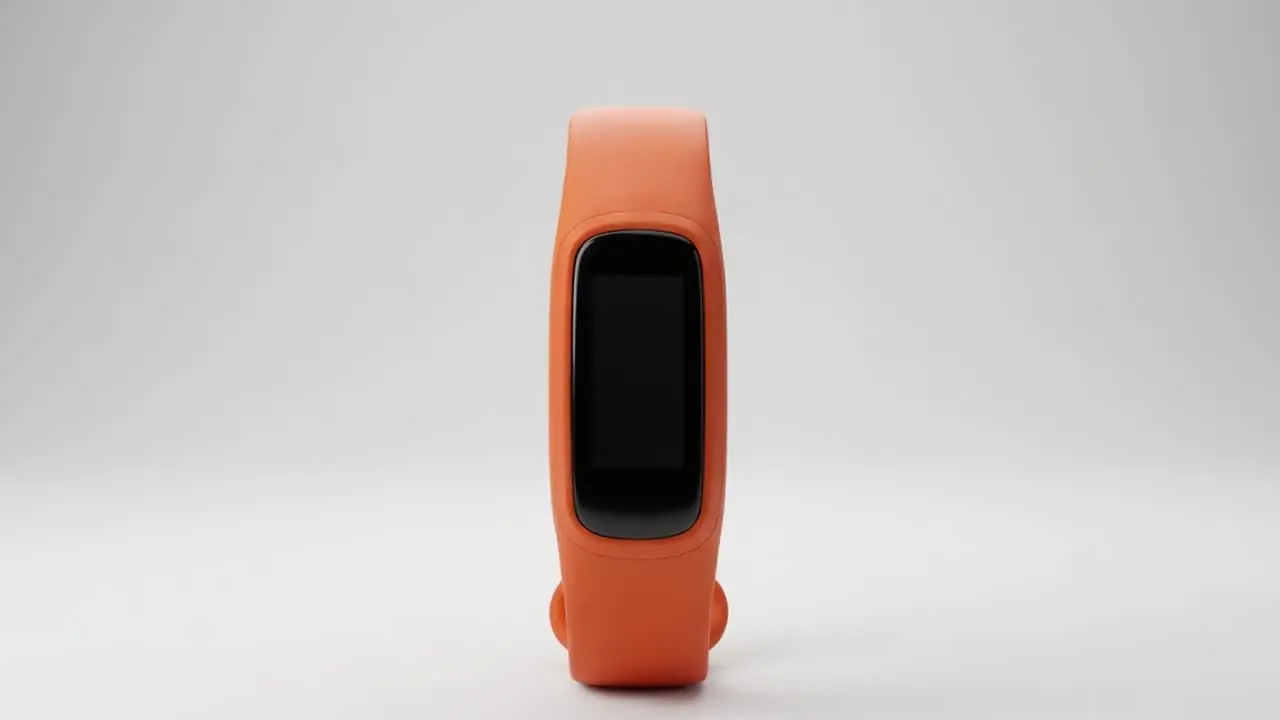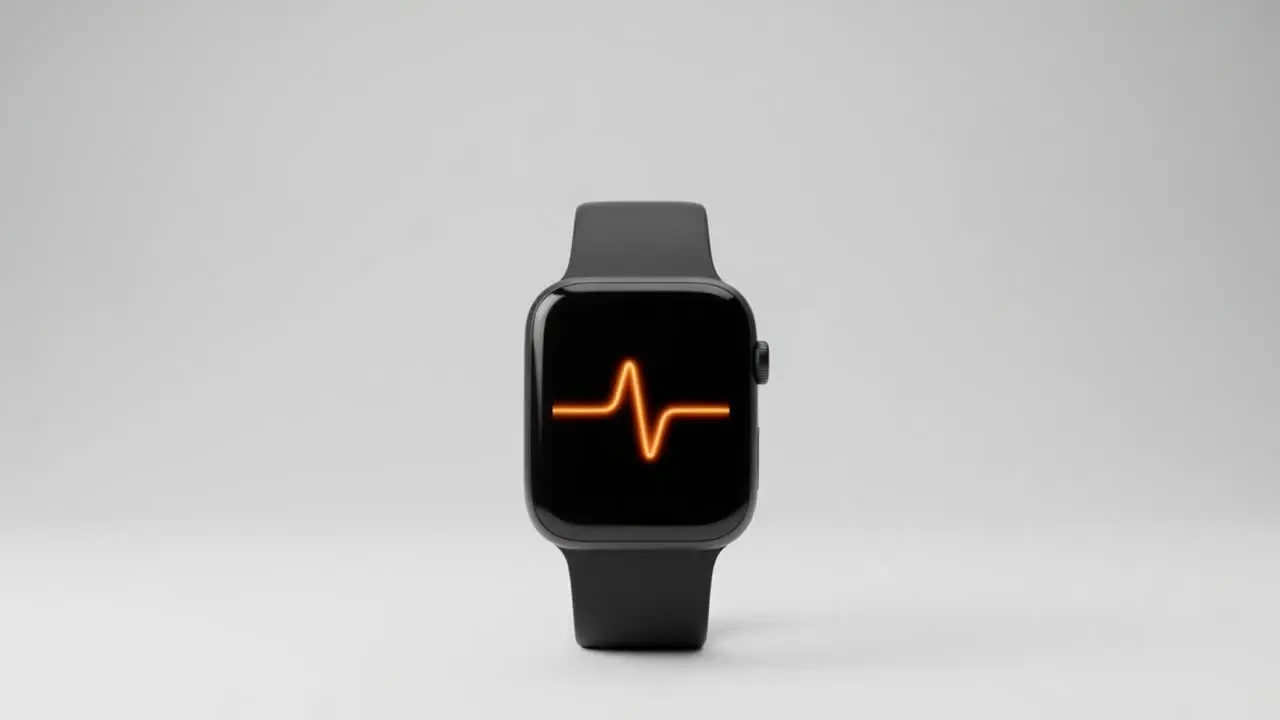
Accessibility usually arrives at the end of a project, as a review. Somebody checks the contrast, adds the labels, files the report, and the product ships slightly less exclusionary than it was drawn. It is genuinely better than nothing and it is not what we mean here.
Vibe exists for people who are deaf or hard of hearing. There is no version of it where that audience is a consideration applied late, because that audience is the specification. Everything downstream is decided by it.
It decides what gets built
A device whose job is to make the sound environment legible on the wrist is not a general-purpose wearable with an accessibility mode. Which sounds matter, how quickly a cue has to arrive to be useful, and what it is allowed to get wrong are all set by the person wearing it rather than by a feature list.
It decides what it is allowed to cost
A price that puts the device out of reach of the people it was designed for has not solved their problem; it has solved it for somebody else. That constrains the design from the beginning rather than at the end, which is a harder way to build and the only honest one.
Accessibility shapes the interaction, the feedback and the decisions we make about how the product should fit into everyday life.
The test we hold ourselves to is simple to state and uncomfortable in practice: if a decision would be made differently for a hearing user, and we made it that way anyway, we have quietly changed who the product is for.