Gamification has a bad name, and mostly it has earned it. Points and streaks are usually added to a product that people were already going to use, to make them use it slightly more, and the mechanism has nothing to do with what the product is for.
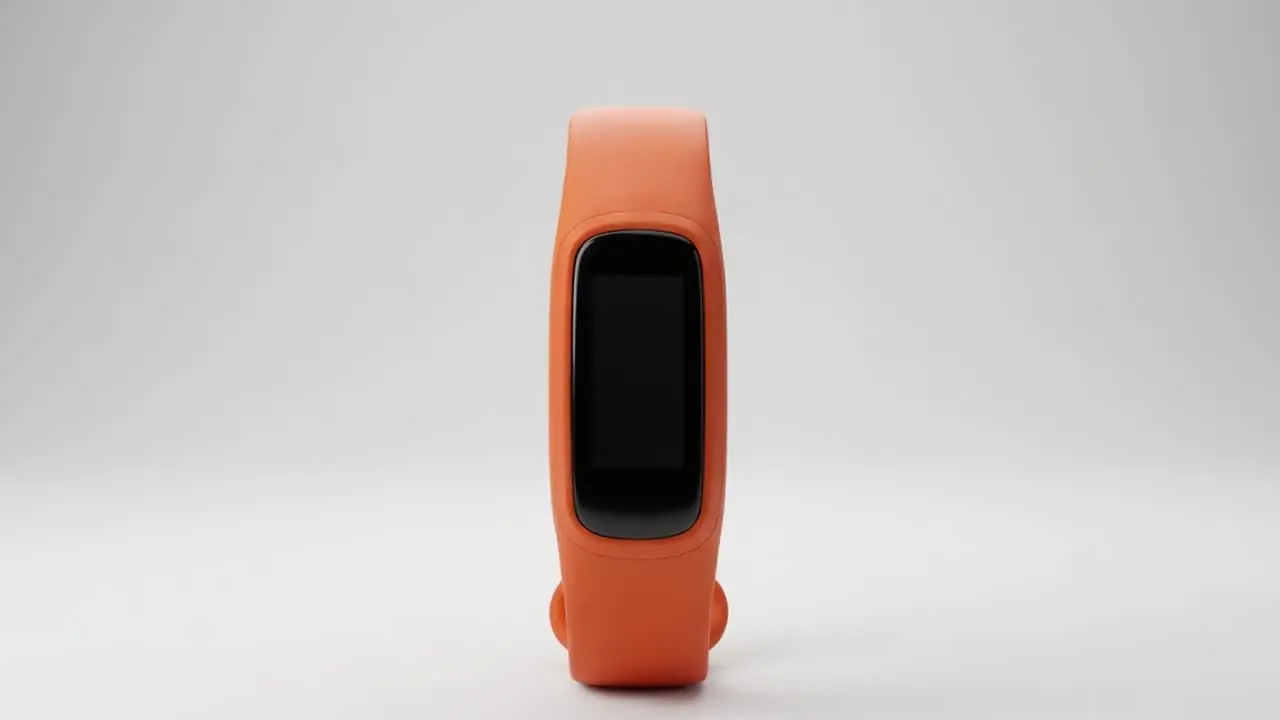
That is not the argument here. A safety wearable has exactly one failure mode that matters more than any other, and it is not technical: the device is in a drawer.
The mechanism has to match the problem
If the thing you need is for a child to put it on again tomorrow, then whatever makes them want to is load-bearing. Play is not decoration on top of the safety function — it is what keeps the safety function switched on.
Which also sets the limits. A mechanic that makes a child want to wear it is doing its job. One that makes them anxious about a streak they might break, or that rewards behaviour we have no business encouraging, is not — and on a product for children the line between the two is somewhere we have to be deliberate rather than clever.
What we are and are not designing
- Reasons to come back to the device, in the ordinary way a thing you like gives you reasons.
- Personal expression — themes and interchangeable straps, so the object belongs to the person wearing it.
- Not engagement for its own sake, and not anything that makes a child feel watched by the thing that is meant to reassure them.
The last one is the one to keep checking. A device that a child experiences as surveillance has solved the buyer’s problem and created a new one for the wearer.